










ONE PIECE, ZERO GLUE
ORGANIC
CUTTING BOARDS
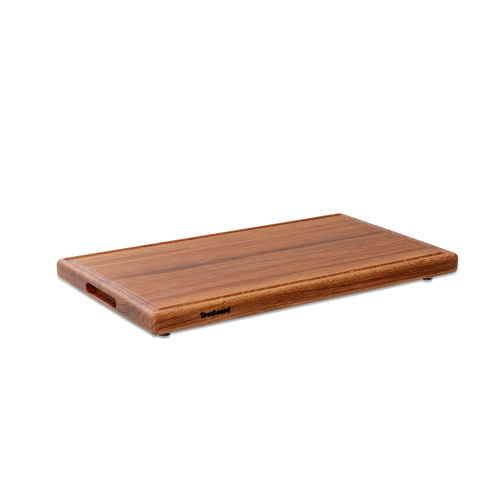
Handcrafted in Maryland from a single piece of wood. No glue, no chemicals - just nature.
SHOP NOWEach board is carved from a single piece — choose your favorite hardwood
Crafted from sustainably sourced hardwoods with no chemicals or additives.
Every board is built to last and backed by our lifetime craftsmanship guarantee.
Each piece is hand-finished in our Maryland workshop by skilled artisans.


TREEBOARD'S FOUNDER
fell in love with trees and wooden objects in his early childhood.
For years he worked as a journalist, mainly at The Wall Street Journal in Washington and Moscow. After a family tragedy struck in 2019, Will returned to his love of nature and began cutting up an already-fallen oak tree near his family's house in Maryland, launching a hobby and side job. He discovered that natural, solid slabs of hardwood can make beautiful coffee tables, cutting boards and other products, with only a limited role for humans or machinery.
KNOW MOREA few of our recent posts

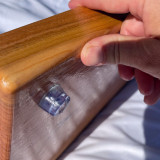
It's largely a matter of personal preference, as these are the two most suitable North American hardwoods we've found for durable cutting boards. Maple is a lighter color and has finer pores. White oak (unlike red oak) has naturally sealed, rot-resistant grain that is coarser and of a darker hue, growing as dark as walnut over time with linseed oil treatment. Oak is perhaps a bit more durable and less likely to show stains, although all treated boards resist stains, and stains can be removed. Read our blog for more on maple versus oak.
Our cherry is stunningly beautiful, with classic grain that turns redder over time withe exposure to ambient light. Recent batches including either "gum" cherry that shows dark streaks of natural hardened resin or "curly" grain that shows a wavy pattern with chatoyance.
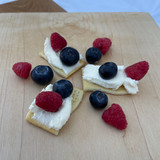
Cherry isn't as hard as white oak or hard maple, so it may show knife scratches more easily Overall cherry is better either for those with especially keen, hand sharpened knife edges they're seeking to preserve on a softer cutting board, or for jobs where chopping isn't as important—such as serving appetizers or cheese.
Yes
Our boards are all one piece, with the cutting surface on the "edge" of the board. (If you know anything about trees and wood you'll understand that it's impossible to make a large end-grain cutting board that's one piece--the trees aren't big enough and it would split in half with maple, oak and other familiar species.) Because we use hard maple and northern-grown white oak, our boards have similar hardness on the edge as other makers' on the end grain.
Solar theme designed by epicShops